
I told you about dude ranching in the movies in my last post. Today, I’m going to bring you a very specific type of ranch, which figures in a classic 1939 film, The Women.
The Reno divorce ranch.
In 1931 the state of Nevada did two very smart things: it legalized gambling, and allowed people to get a “quickie” divorce with just a six-week stay with its borders. Existing dude ranches started advertising for future divorcees, and some ranches opened up as places for these same people (mostly women) from their very first day. Most were centered around Reno, which was easy to get to from either California (a short drive over the state line) or on the train from anywhere.
Here’s where The Women comes in. The story, from a 1936 play by Clare Booth Luce, centers around a group of wealthy, New York women, nearly all of whom end up needing divorces about halfway through the movie. Luce’s play was inspired by her own stay in Nevada, waiting for a divorce when the residence requirement was three months.
The movie had a dream cast: Norma Shearer, Joan Crawford, Rosalind Russell, Joan Fontaine, Paulette Goddard, Mary Boland, and with smaller roles taken by Marjorie Main, Ruth Hussey, and Virginia Weidler. Five of the women end up in Reno, and Shearer, Goddard, and Boland take the railroad where they chant my favorite catch phrase: “On the train for Reno.” (The other is “Jungle Red.” Watch the movie. You’ll get it.)
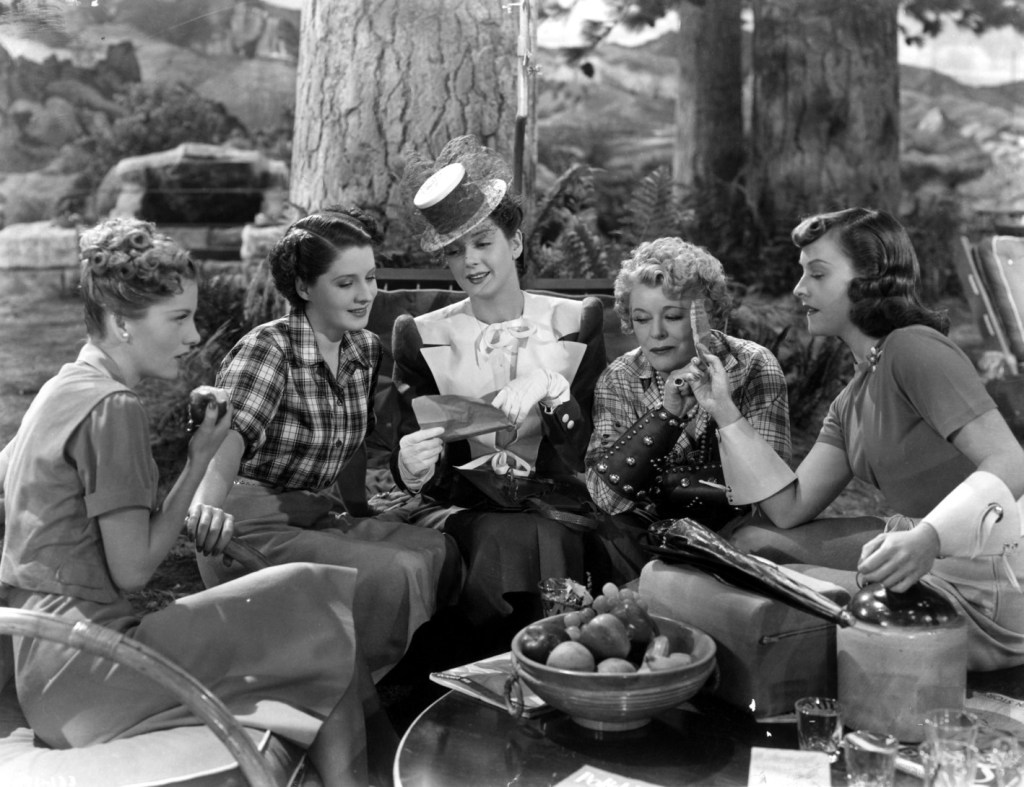
When they get to the Bar T ranch, they are in the hands of no-nonsense ranch owner Lucy, played by Marjorie Main, who has seen it all. Rosalind Russell shows up later and hilarity ensues. But what I love about the short divorce ranch scene is the fact that all of the women change into western wear (or at least casual wear) while they are in residence. They know they are in alien territory, in a way station between their old, married life and their new, single life. Moments like that require new clothes, especially out West.

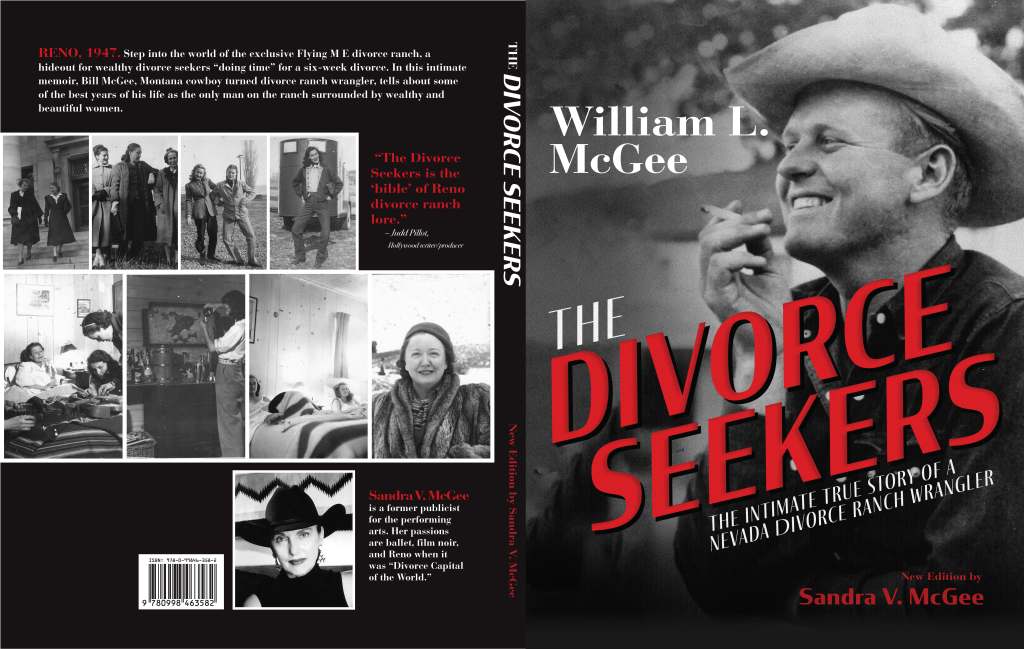
The other reason I’m writing this post is to introduce you to an author friend and her book, which tells this story in a unique way. Sandra McGee has just come out with a new edition of her wonderful book, The Divorce Seekers: The Intimate True Story of a Nevada Divorce Ranch Wrangler. I used the first edition of The Divorce Seekers when I was researching my book, American Dude Ranch.
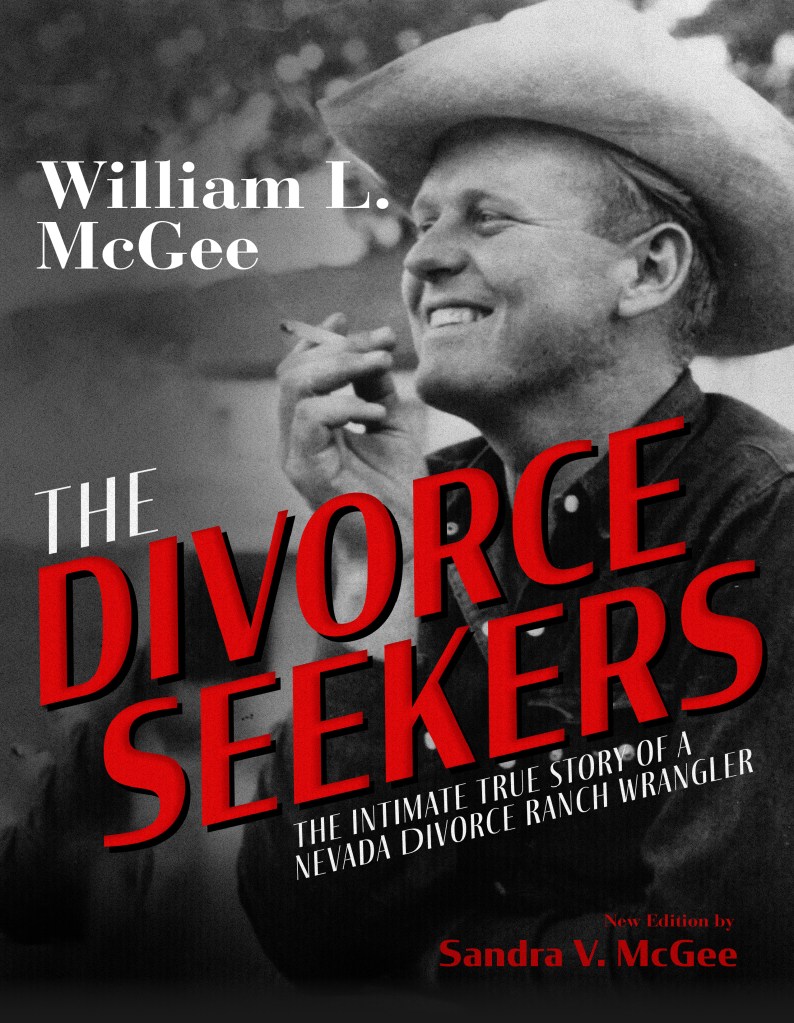
I’m going to let Sandra tell you about her work in an excerpt from my interview with her earlier this year.
LYNN: What is the difference between a dude ranch and a divorce ranch?
SANDRA: In the 1930s to the 1960s, divorce seekers—as they were called—came running to Reno where they could get a divorce…in only six weeks. If they had the money and wanted their privacy from the prying eyes of the press, they stayed on one of the dude ranches scattered around Reno. Some called these places divorce ranches and the name stuck. A dude wrangler working on a divorce ranch was called a divorce ranch wrangler. Their job was to entertain the guests on trail rides, to escort them to the local watering holes for drinking and gambling, and to take care of the horses.
LYNN: You knew a real divorce ranch wrangler, didn’t you?
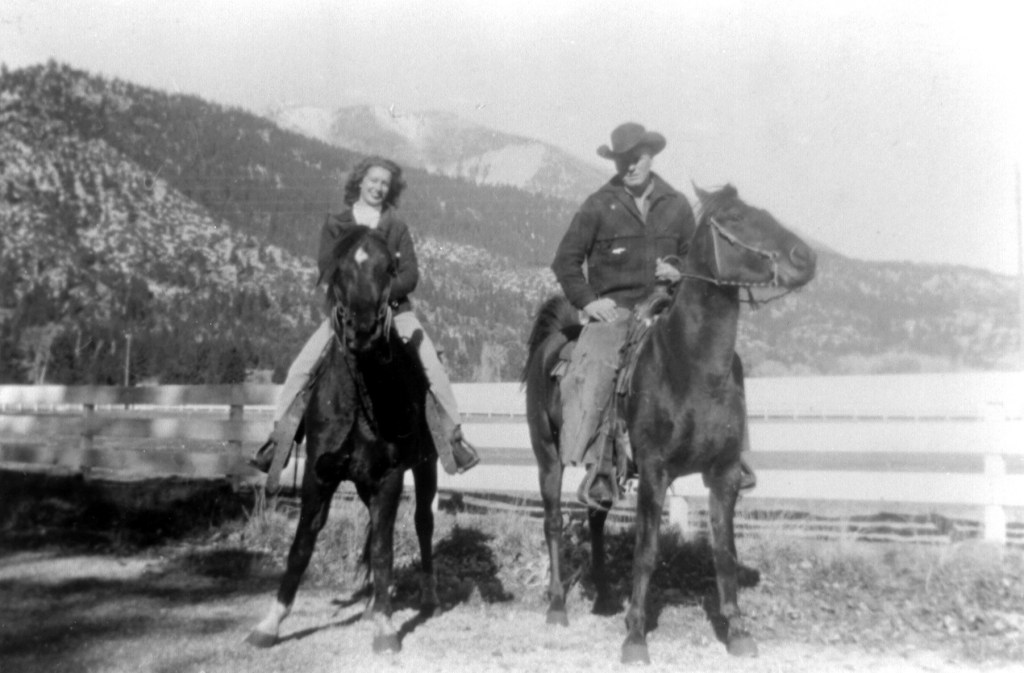
Divorce ranch wrangler Bill McGee entertains a guest on a trail ride. She would later become his first wife. Courtesy William and Sandra McGee Collection.
SANDRA: Yes, I did. In 1981, I met Bill McGee. He grew up cowboying in Montana and from 1947 to 1949 was the divorce ranch wrangler on the Flying M E (pronounced “Em Eee”), the most exclusive of all the divorce ranches around Reno. He entertained Eastern socialites with names like Astor and du Pont, and Hollywood movie stars Clark Gable and Ava Gardner. He was twenty-two at the time and he liked to say, “Surrounded by all those women, I thought I’d died and gone to heaven. Those were some of the best years of my life.”
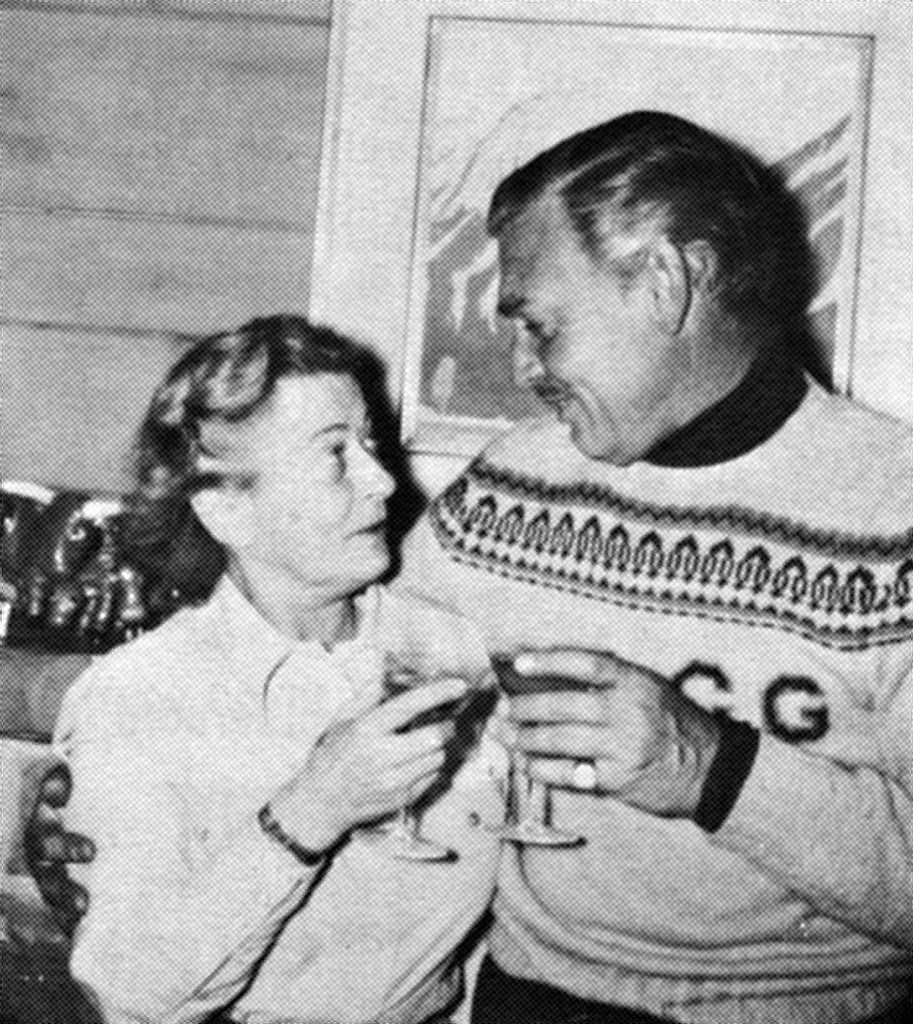
Clark Gable, “the King,” was a frequent visitor for a getaway from Hollywood. He knew Emmy Wood, the proprietor, and the ranch staff would protect his privacy from the press. Courtesy William and Sandra McGee Collection.
LYNN: Were you a cowgirl?
SANDRA: Heavens, no! I was a Valley Girl and a dudine—lingo for a female dude. I was also a movie buff and had seen The Women many times. I stumbled on Bill’s photo album from the Flying M E and began asking questions. His stories were like an old Hollywood movie coming to life. I told him he had to write about those years – and I wanted to help. That’s how the first edition of The Divorce Seekers came to be. It was published in 2004 as a hardcover coffee table book and weighed four pounds.
LYNN: And you came out with a new edition this month?
SANDRA: Over the years we had many requests for the book in paperback and eBook. When Bill passed away in 2019, I decided to do a new edition. It was sheer pleasure to immerse myself in a period of history I’ve become passionate about. The new edition has a new look, new stories, and lends itself to a streaming series with a new story in each episode. The book’s been optioned a few times. So far, nothing’s clicked, but I’m still optimistic.
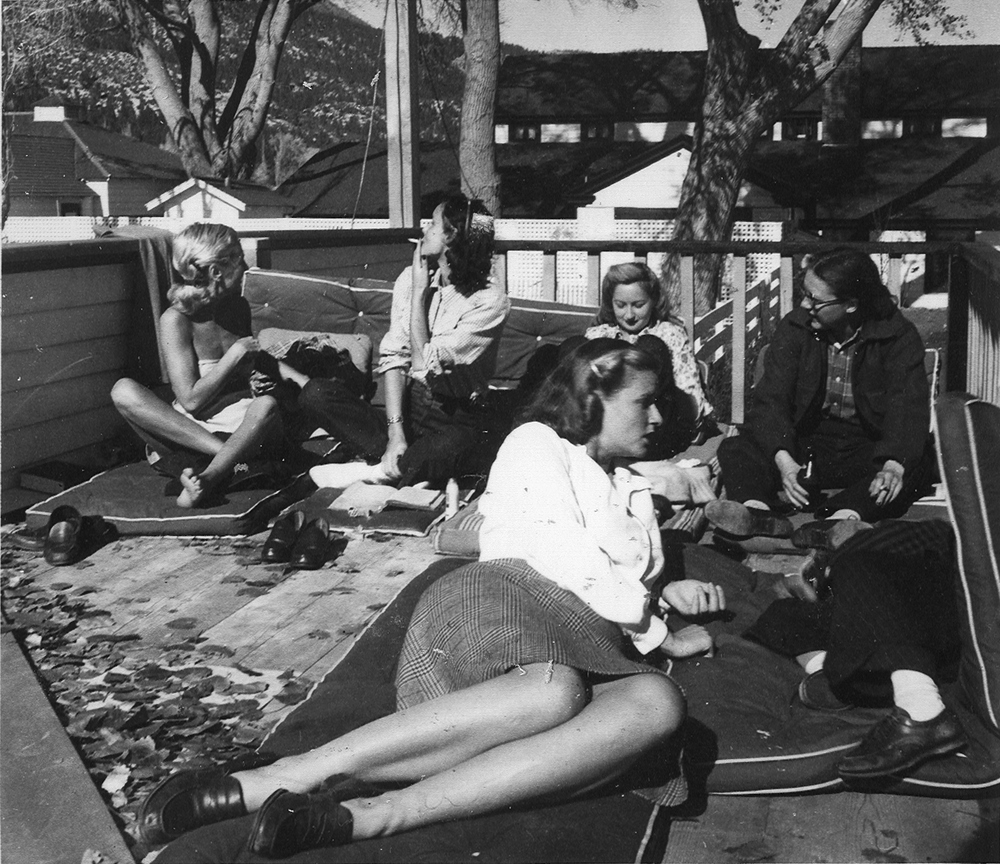
Sharing stories on the pool house roof. Whatever their backgrounds or differences, divorce seekers had one thing in common: to be freed from their marital bonds. Courtesy William and Sandra McGee Collection.
I hope I’ve piqued your interest in this uniquely American–and Nevada–institution, and I encourage you to buy Sandra’s book. It’s available on Amazon or you can buy a signed copy from Sandra on her website, McGeeBooks.com. I have my copy already!
 Tumblereads: A New Twist on the Old West